The Pre-Sale Building Survey: Why Cotswolds Vendors Should Look Before They List
A buyer’s building survey can raise questions about condition, repair costs and the agreed price. For vendors of older Cotswolds homes, commissioning an independent survey before marketing can provide time to investigate concerns and decide what to repair or disclose. It is an option to weigh against the cost and circumstances of the sale, rather than an essential step for every property.
Why Buyers’ Surveys Derail Sales
Older and listed homes can benefit from a surveyor with relevant conservation experience. A detailed survey may identify concerns such as damp, roof deterioration, movement or timber decay, and recommend further investigation. The nature and significance of any finding depend on the building and the inspection; a concern is not automatically evidence of a major defect.
None of these findings necessarily signals a serious problem. But when they arrive mid-transaction, without context, they can feel alarming. A buyer who has already committed emotionally and financially to a purchase may react by seeking a significant price reduction, requesting remedial works before exchange, or simply losing confidence in the property altogether. The vendor, caught off guard, is then negotiating from a position of weakness.
The Case for a Pre-Sale Survey
Commissioning a building survey before marketing begins changes the dynamic entirely. Elliott Wakefield advises vendors of older and listed properties to consider this step as part of the pre-market preparation process, alongside presentation, photography, and pricing strategy.
A pre-sale survey provides an independent assessment of accessible parts of the building, subject to the agreed scope and limitations. The same professional standards apply whether the client is a seller or a buyer. Early advice allows time to investigate the cause of damp or deteriorating pointing, obtain repair estimates and consider appropriate work. In traditional buildings, repairs should suit the construction; a damp reading alone is not a reason to install a new damp-proof course. Repairs and documentation may reduce uncertainty, but cannot rule out further questions or renegotiation.
A pre-sale survey may also help identify useful supporting documents. For example, an existing structural engineer’s report can provide context for a crack, alongside records of any monitoring or repairs. Share relevant evidence through the conveyancer and agent, while recognising that the buyer’s advisers may still require further investigation.
What a Pre-Sale Survey Typically Covers
For a prestige Cotswolds property — whether a Cotswold stone farmhouse, a converted barn, a Georgian rectory, or a Victorian manor — a Level 3 Building Survey will typically examine:
- Roof structure and covering — including condition of slates or stone tiles, lead flashings, guttering, and any flat roof sections
- External walls and pointing — particularly relevant for older lime-mortared stonework, which requires different maintenance to modern cement-pointed construction
- Damp and drainage — cellars, ground-floor rooms, and areas adjacent to retaining walls are common areas of concern in older properties
- Timber — roof timbers, floor joists, and any exposed structural beams, with attention to signs of beetle activity or rot
- Services — accessible installations are inspected visually, but a standard building survey does not certify electrical, gas, heating or plumbing safety. Specialist inspections or tests may be recommended.
- Outbuildings and ancillary structures — stables, garages, and garden buildings that form part of the sale
A RICS Home Survey Level 3 is detailed but is still subject to access and inspection limitations: concealed defects may remain undetected. Agree which outbuildings and areas are included. For listed buildings, choose relevant conservation experience and seek advice before repairs that may require listed building consent. A seller’s report does not replace the buyer’s own due diligence; whether another party may rely on it depends on the surveyor’s terms and any express agreement.
Deciding What to Address — and What to Disclose
Not every finding warrants remedial work before sale. Some issues are cosmetic; others are structural but stable; others are genuinely worth attending to. The pre-sale survey gives the vendor the information to make these decisions deliberately, rather than reactively.
Decisions about work should follow qualified advice and written estimates, not assumptions about what a buyer might discount. A roof may need monitoring rather than immediate replacement, while a damp problem may require investigation before a repair can be specified. Discuss how known condition issues affect pricing and presentation, without assuming that every repair will recover its cost.
Answer property information questions accurately and discuss known defects and survey findings with the conveyancer. Discovering a problem may affect the information that needs to be provided to buyers and the agent. A survey does not remove disclosure responsibilities, and a solicitor should advise on the circumstances of the particular sale.
The Confidence It Gives Buyers
There is a subtler benefit to the pre-sale survey that is easy to overlook: the signal it sends to serious buyers. A vendor who can produce a recent building survey, accompanied by any relevant specialist reports and receipts for work carried out, is demonstrating transparency and confidence in their property. At the prestige end of the market, where buyers are sophisticated and their advisers are thorough, this matters.
An existing report and supporting documents can help buyers and their advisers understand the background to a concern. They may still commission their own inspections or disagree with an earlier assessment. Preparation can support a more informed transaction, but cannot guarantee a faster sale or prevent a price discussion.
In Summary
For vendors of older, listed or substantial Cotswolds homes, a pre-sale survey can make preparation more informed. Balance its cost against the property’s condition and seek a suitably qualified surveyor’s advice on scope. The aim is to understand the building, prepare honest information and make considered decisions before marketing — not to guarantee the asking price.
Further Reading
See the RICS Home Survey Level 3 service description for scope and limitations, and the guide to choosing a conveyancing solicitor. For help planning the sale, request a market appraisal.
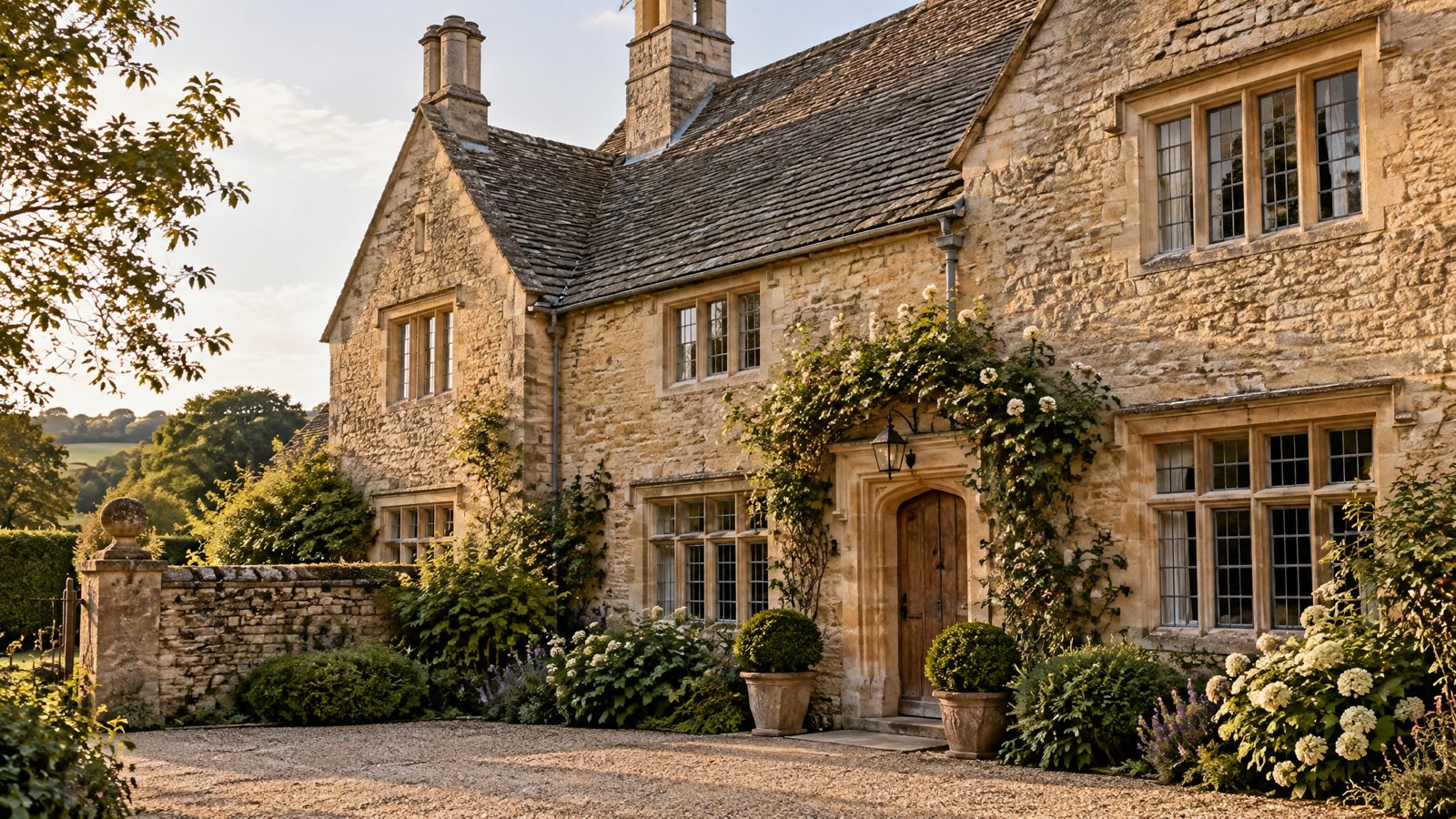
Cover image: AI-generated editorial illustration, not a property offered for sale.

Elliott Wakefield
Fellow of the Chartered Institute of Marketing (FCIM) and Prestige Property Expert in Cheltenham and the Cotswolds. Licensed with The Prestige Property Experts.
About Elliott WakefieldReady to discuss your property?
Book a private market appraisal with no obligation.
Book a Market Appraisal