Timing the Sale: Seasonal Windows and Market Rhythm in the Prestige Cotswolds Market
Timing the sale of a prestige Cotswolds home is rarely discussed with the same rigour as pricing or presentation — yet it can be just as consequential. The country house market does not move at a uniform pace throughout the year. Demand ebbs and flows in patterns that are broadly predictable, and vendors who understand those rhythms are better placed to attract the right buyers at the right moment.
Why Seasonality Matters More at the Upper End
At the top of the market, the pool of qualified buyers is smaller and their behaviour is more deliberate. Prime buyers are rarely browsing out of idle curiosity; they are typically in an active search phase, often with a specific brief, a buying agent, and a clear sense of what they are looking for. This means that the timing of a launch — when those buyers are most attentive and most motivated — has a disproportionate effect on the quality of early interest.
A property that launches into a quiet period may still sell, but it is likely to do so more slowly, with fewer competing offers, and occasionally at a price that reflects the thinner market rather than the home’s true worth. Conversely, a well-prepared home that enters the market at a moment of heightened buyer activity can generate the kind of early momentum that shapes the entire negotiation.
The Autumn Window: September to November
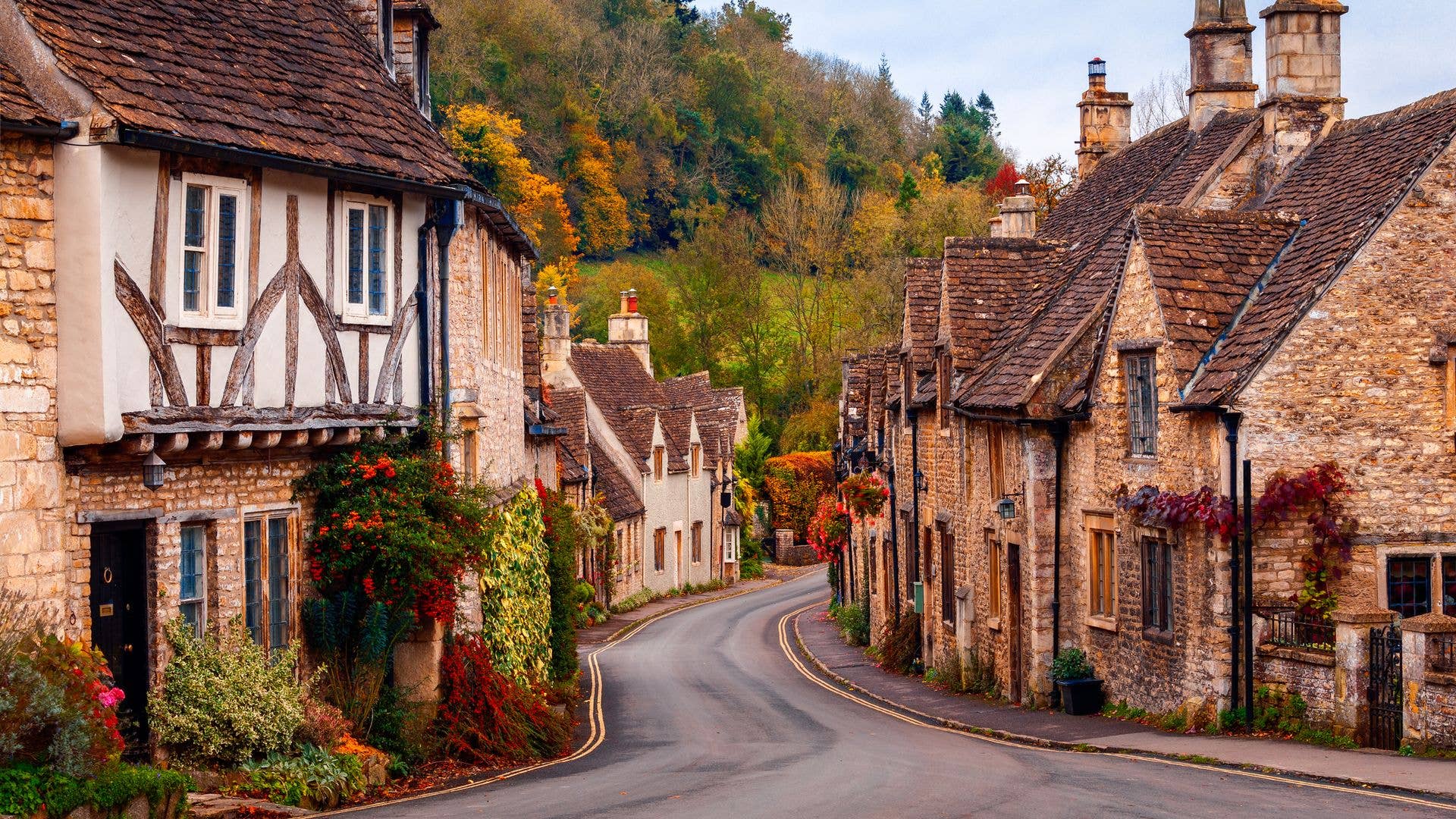
The autumn selling season is widely regarded as one of the strongest windows for prestige country property in the Cotswolds. After the summer, buyers who have spent time in the region — visiting friends, staying in holiday lets, attending events — often return to London or their primary residence with a renewed sense of purpose. The decision to act on a long-held aspiration to own a Cotswolds home frequently crystallises in September.
For vendors, this translates into a market that is engaged, motivated, and often pre-qualified. Buyers in the autumn window tend to have done their research. They know the villages, they understand the price points, and they are ready to move. Launching in early September, with professional photography taken in late summer light and grounds at their most presentable, positions a property to capture this wave of intent.
The window typically narrows as November progresses. School half-terms, the approach of Christmas, and the general slowing of corporate and professional life mean that serious viewings become harder to arrange from mid-November onwards. Vendors who have not found a buyer by then often face a choice between accepting a lower offer or withdrawing and relaunching in the new year.
The Spring Season: February to May
Spring is the other principal selling window, and for many types of prestige property it is the stronger of the two. Gardens and grounds are at their most persuasive when in bloom; the Cotswolds landscape is particularly compelling in April and May, and buyers who have spent the winter deliberating often commit to action as the days lengthen.
The spring market tends to attract a broader range of buyers than autumn. Families with school-age children are often motivated by the desire to complete a purchase and move before the summer holidays, which creates a natural deadline that can accelerate decision-making. For vendors of larger family homes — those with four or more bedrooms, substantial gardens, and proximity to good schools — the spring window is frequently the most productive.
Preparation for a spring launch should ideally begin in January. Professional photography, floor plans, and marketing materials take time to produce to the standard expected at the prestige end of the market. Vendors who leave this until March often find themselves launching later than intended, missing the peak of buyer activity in April.
The Quieter Periods: What They Mean for Vendors
The summer months — particularly July and August — and the period from mid-December to mid-January are generally quieter for prestige country property. This does not mean that sales cannot happen; motivated buyers exist year-round, and some of the most straightforward transactions occur when competition is lower. However, vendors should be realistic about the likely pace of activity during these periods.
Launching in August, for instance, can mean that a property sits on the market through the quieter weeks before the autumn season begins. If it has been visible for six or eight weeks by the time serious buyers return in September, it may already carry the stigma of a “stale” listing — one that prompts questions about why it has not sold rather than excitement about its availability. Elliott Wakefield advises vendors to consider whether a brief delay to align with a stronger seasonal window is preferable to an early launch that risks undermining the property’s market position.
Preparing the Property Around the Seasons
Seasonal timing is not only about when to launch — it also shapes how a property should be presented. A home photographed in the right season can look markedly different from the same property captured at the wrong time of year. Key considerations include:
- Gardens and grounds: Photograph in late spring or early autumn when planting is at its best. Avoid bare winter trees or overgrown summer borders.
- Natural light: Longer days in spring and autumn allow for better interior and exterior photography. Midwinter shoots often require artificial lighting that can flatten the character of period rooms.
- Grounds maintenance: Lawns, hedges, and kitchen gardens should be in good order before any photography or viewings. First impressions are formed at the gate.
- Heating and atmosphere: For autumn and winter viewings, a well-heated home with fires lit creates an immediate emotional response that no amount of description can replicate.
Off-Market Timing and Private Launches
For vendors who prefer a discreet approach, the seasonal calendar operates slightly differently. Off-market introductions can be made at any time of year, since they rely on direct contact with a curated list of qualified buyers rather than on broad market visibility. However, even in private sales, the autumn and spring windows tend to produce the most responsive buyers — those who are actively looking rather than passively open to persuasion.
Elliott Wakefield works with a number of vendors who prefer to test the market quietly before committing to a full public launch. In these cases, timing the private introduction to coincide with a period of heightened buyer activity can make the difference between a swift, discreet transaction and a prolonged process that eventually requires a public listing.
In Summary
The seasonal rhythms of the prestige Cotswolds market are well-established, and vendors who plan around them are consistently better placed than those who launch reactively. The autumn window from September to November and the spring season from February to May represent the two strongest periods for attracting motivated, qualified buyers. Preparation — in terms of presentation, photography, and marketing materials — should begin well in advance of the intended launch date. Elliott Wakefield is available to advise vendors on the optimal timing strategy for their specific property and circumstances.

Elliott Wakefield
Member of the Chartered Institute of Marketing (MCIM) and Prestige Property Expert in Cheltenham and the Cotswolds. Licensed with The Prestige Property Experts.
About Elliott WakefieldReady to discuss your property?
Book a private market appraisal with no obligation.
Book a Market Appraisal